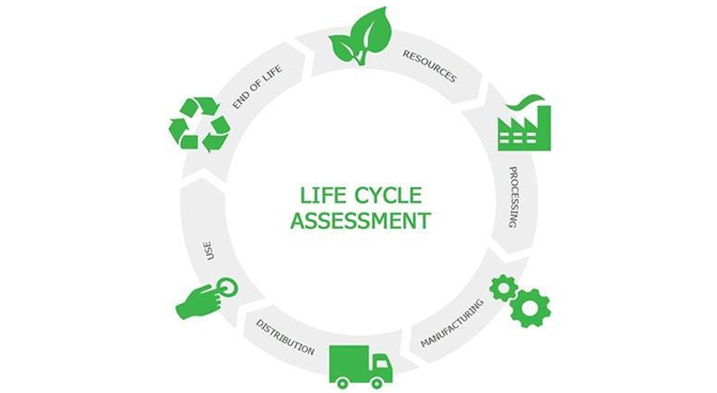
Evaluation process: first identify and quantify the energy and material consumption and environmental release in the whole life cycle stage, then evaluate the impact of these consumption and release on the environment, and finally identify and evaluate the opportunities to reduce these impacts. Life cycle assessment focuses on the environmental impact of the system in the fields of ecological health, human health and resource consumption.
With the development of industrialization, more and more wastes and pollutants enter the natural ecological environment, which exceed the digestion and absorption capacity of nature and have a great impact on the environment and human health. At the same time, industrialization will also make the consumption of natural resources exceed its recovery capacity, and then destroy the balance of the global ecological environment. Therefore, people increasingly hope to have a method to have a thorough, comprehensive and comprehensive understanding of the resource consumption and environmental impact of various activities they are engaged in, so as to seek opportunities to take countermeasures to reduce human impact on the environment.
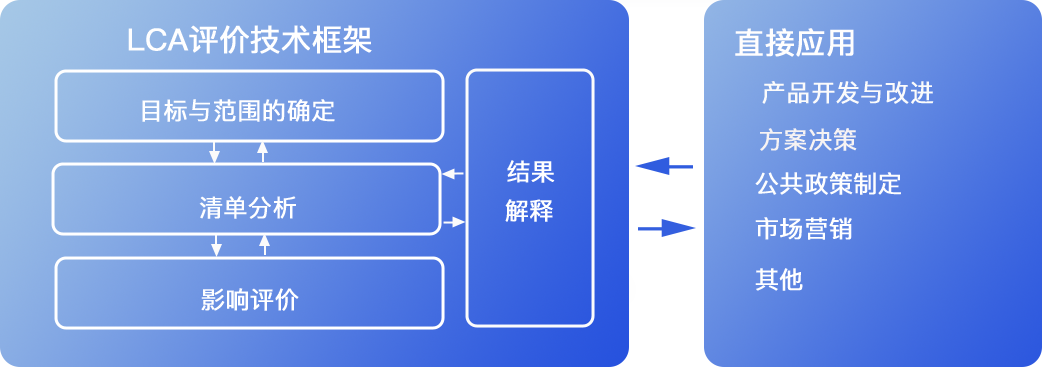
At present, life cycle assessment (LCA) is an internationally recognized method to achieve the above purpose. It is a tool used to evaluate the environmental factors related to products or services and their environmental impact in the whole life cycle. Based on the definition of LCA, this paper expounds the technical framework and main contents of LCA, and then puts forward that life cycle assessment is a powerful tool for environmental management, so as to promote the sustainable development of the whole social system.
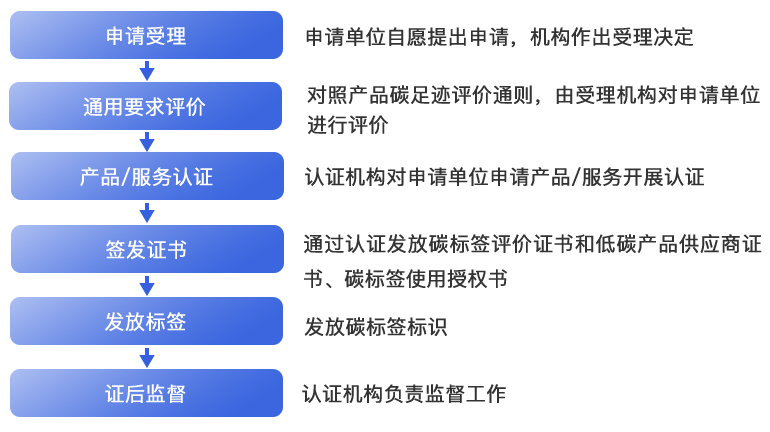
Accounting method of product carbon footprint:
?nbsp; First, the target products should be defined, including the specific models, specifications, technical parameters and functional units of the target products< br />
? Second, what needs to be done is to determine the system boundary of accounting. Generally, the method of "cradle to gate" or "cradle to grave" can be selected. "Cradle to gate" usually refers to the process from the extraction of raw materials, the completion of the production, processing and packaging of the product itself to the factory or downstream customers, which is the accounting boundary; "Cradle to grave" refers to the accounting boundary from the extraction and processing of raw materials to the production, packaging, marketing, use, maintenance, recycling and waste disposal of products< br />
? Third, it is also necessary to clarify the time boundary of product carbon footprint accounting, usually "one year/a period of time/production time of a batch" and so on. The purpose of selecting the time boundary is to ensure the integrity and accuracy of data collection related to the target product, and the evaluation data shall match the evaluation time period< br />
? Fourth, we should pay attention to the appropriate neglect and trade-offs in the accounting process of product carbon footprint. Some products use dozens or even more than 100 kinds of raw and auxiliary materials. In view of the excessive types of raw and auxiliary materials in the accounting process, it is often necessary to choose the types of raw and auxiliary materials. Generally, the trade-off rule excludes materials that can be ignored according to the proportion of material weight to product weight, material type and other factors< br />
? In addition, the emissions of production equipment, plant and living facilities can be ignored, but the known emission data within the scope of the selected environmental impact type should not be ignored.
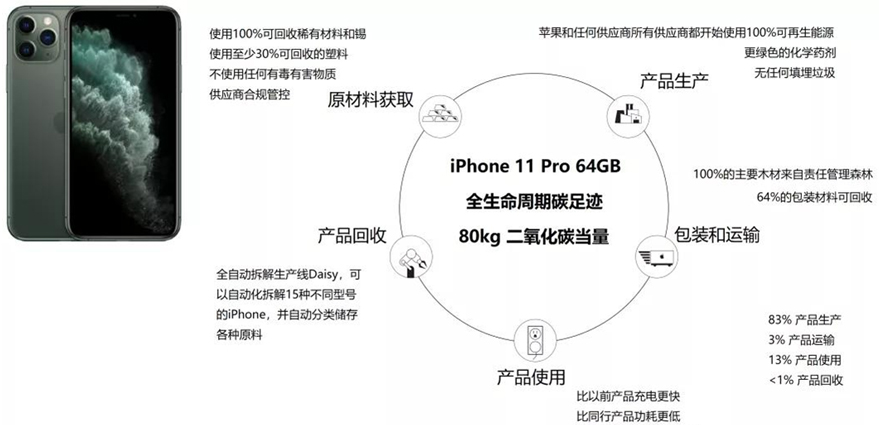
After clarifying the target products, selecting the system boundary and time boundary of accounting, and combing all emission sources within the system boundary, the carbon footprint of products can be calculated with the help of professional database systems (such as life cycle assessment basic database clcd, etc.). Through the calculation of product carbon footprint, the greenhouse gas emissions of raw materials acquisition, product production, packaging and transportation, product use, product recycling and other links in the product life cycle are clearly displayed.

 苏公网安备31010702002557号